
- Home/
- Buy Ivermectin at Low Price in United Kingdom
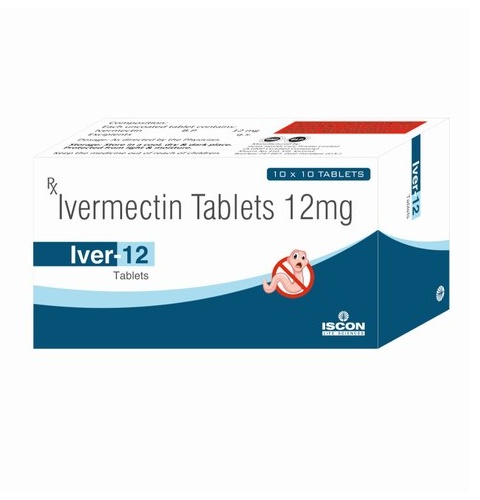
| Name of medicine | Ivermectin |
|---|---|
| Main component | Ivermectin |
| Category of use | Antiparasitic agent |
| Formulations available | 3 mg and 6 mg tablets |
| Typical dosing pattern | Single dose or short course, depending on indication |
| Clinical effect onset | Usually within 12–24 hours |
| Duration of benefit | Effect persists for several days; repeat dosing may be necessary based on parasite lifecycle |
| Food impact | Absorption increased with food |
| Prescription status UK | Prescription-only medicine |
Ivermectin: Antiparasitic Treatment Options in the United Kingdom
Ivermectin is an established antiparasitic medication with proven effectiveness against a range of parasitic infections. It is prescribed in the United Kingdom for conditions such as strongyloidiasis and scabies, and can only be legally obtained with a valid prescription. Below, you will find clear guidance on how Ivermectin works, who it suits, and how to navigate your choices in the UK context.
Understanding Your Situation: Parasitic Infections in the UK Context
Parasitic infections—such as scabies, threadworm, and strongyloidiasis—remain a genuine concern in the United Kingdom, affecting both individuals and public health. According to the UK Health Security Agency (UKHSA), scabies outbreaks are reported regularly, especially in care homes and institutional settings (UKHSA, 2023). While the overall prevalence in the general UK population is lower than in some tropical regions, thousands of cases are diagnosed annually, particularly among vulnerable groups or those with recent travel history to endemic areas. These conditions are not a sign of poor hygiene or personal failing—they are medical issues that can happen to anyone and are entirely treatable with the right approach. If you have symptoms like persistent itching, unexplained rashes, or gastrointestinal disturbances after travel, you are not alone and effective solutions are available.
How Ivermectin Treats Parasitic Infections: Mechanism and Impact
Ivermectin acts by targeting and disabling specific nerve and muscle cells in many types of parasites. Technically, it binds to glutamate-gated chloride channels, causing paralysis and death of the parasite. In practice, this means that Ivermectin interrupts the parasite’s ability to move, feed, or reproduce, leading to a rapid reduction in symptoms such as itching or abdominal discomfort. For skin infestations (like scabies), relief often begins within a day, but full resolution of symptoms may take several days as the immune system clears remaining debris. In gut parasites (like strongyloidiasis), people typically notice improvement in digestive symptoms within 24–48 hours. Because the medicine leaves human nerves unaffected at prescribed doses, it can be effective while maintaining a favourable safety profile for most patients.
Is Ivermectin Right for You? Practical Scenarios for Decision-Making
| Your situation | Recommendation | Rationale |
|---|---|---|
| You have been diagnosed with scabies that did not respond to topical treatment | Ivermectin is often recommended | Oral Ivermectin is used for cases where creams fail or are impractical (e.g. outbreaks, extensive skin involvement) |
| You have strongyloidiasis confirmed by lab tests | Ivermectin is the first-line treatment | It is highly effective for this parasite, and preferred over alternatives in most cases (NHS, 2023) |
| You are pregnant or breastfeeding | Ivermectin is generally NOT recommended | Due to lack of safety data, alternative treatments are typically chosen unless benefits outweigh risks |
| You have severe liver disease or take medicines affecting liver enzymes | Doctor will consider alternatives or dose adjustments | Liver impairment may alter how the medicine is processed, requiring closer supervision |
| You are considering Ivermectin for viral infections (e.g. COVID-19) | Not appropriate | UK regulators do not support Ivermectin for viral use—no proven benefit, and potential for harm |
These scenarios reflect common pathways faced in the UK. Only your healthcare provider can confirm what is right for you, but the above guidance helps clarify typical choices and exclusions.
How to Take Ivermectin: Practical Guidance and Day-to-Day Impacts
- Timing and food: Ivermectin is best taken on an empty stomach with water, unless your doctor advises otherwise. Taking it with a high-fat meal may increase absorption, which is sometimes used intentionally, but always follow your prescriber’s instructions.
- Missed dose: If you forget a dose, take it as soon as you remember unless it is almost time for your next dose. Do not double up. Missing a single dose is unlikely to cause treatment failure, but inform your doctor if you miss more than one.
- If symptoms persist: For scabies, itching may continue for weeks, even after parasites have been cleared. This does not necessarily mean treatment has failed. Your doctor may recommend a repeat dose 7–14 days later, depending on the specific parasite and your response.
- During outbreaks: In institutional outbreaks (e.g. care homes), Ivermectin may be given to all exposed individuals simultaneously to halt transmission. This is overseen by public health authorities.
- When it doesn’t work: If you see no improvement after the full course, a re-evaluation is needed. Sometimes a different diagnosis, drug resistance, or reinfection is to blame. Do not self-re-dose without medical advice.
- What is normal: Mild headache, nausea, or dizziness shortly after the first dose are common and usually resolve without intervention.
- What requires attention: New rash, breathing difficulties, confusion, or severe abdominal pain require urgent medical review, especially if they occur soon after taking Ivermectin.
Doctors in the UK are experienced in tailoring the regimen to each patient—your pharmacist can advise on practical aspects, but dosing decisions should only be made by a qualified prescriber.
Contraindications: Who Should Not Take Ivermectin — And Why
- Pregnancy: Ivermectin is avoided in pregnancy except in life-threatening cases because animal studies suggest possible harm to the developing fetus.
- Breastfeeding: Not routinely recommended, as the drug passes in small amounts into breast milk and effects on infants are not fully understood.
- Children under 15 kg: Safety has not been established in very young or light children, so paediatric specialists may select alternative treatments.
- Severe liver impairment: The liver metabolises Ivermectin; if liver function is compromised, drug levels may rise to unsafe levels, risking toxicity.
- Known allergy to Ivermectin or similar compounds: Allergic reactions can be serious, so a history of hypersensitivity means alternatives are preferred.
Each of these exclusions is based on a specific risk—your doctor will assess your full medical history to ensure the safest possible approach.
Potential Side Effects: What to Expect, When to Worry
- Common and mild: Headache, dizziness, mild nausea, or stomach discomfort. These effects usually appear within hours to a day after taking Ivermectin and resolve on their own.
- Occasional and moderate: Skin rash, mild swelling, muscle aches, or sleepiness. These can occur as the body reacts to dying parasites, especially in cases of heavy infestation (called the Mazzotti reaction).
- Rare and serious: Severe rash, chest pain, fast heartbeat, confusion, or breathing difficulties. These are uncommon but can signal a serious allergic reaction or excessive immune response.
If you or someone with you experiences facial swelling, difficulty breathing, collapse, or confusion after taking Ivermectin, call 999 for emergency services in the UK. Severe reactions are rare, but rapid intervention is crucial if they occur.
Most people tolerate Ivermectin well, and minor side effects resolve without any specific treatment. If side effects persist or interfere with daily life, consult your healthcare provider. Never hesitate to report unexpected reactions.
Drug Interactions: Combining Ivermectin with Other Treatments
Ivermectin is processed by enzymes in the liver, particularly CYP3A4. This means medicines that affect these enzymes—such as certain antibiotics (clarithromycin), antifungals (itraconazole), or HIV medications (ritonavir)—can raise or lower Ivermectin levels in your body. Raised levels may increase the risk of side effects like dizziness or even neurological symptoms. Conversely, drugs that speed up the metabolism may reduce efficacy.
Other antiparasitic drugs or medicines with similar neurological effects may add to the risk of confusion or drowsiness. Always provide your doctor and pharmacist with a full list of all medicines and supplements you take. If you start a new prescription while taking Ivermectin, double-check for interactions with the prescriber or pharmacist. There are no known dangerous interactions between Ivermectin and food (except as noted regarding absorption), but alcohol should be avoided if you are experiencing symptoms affecting the nervous system.
Alternatives and Comparisons: Is There a Better Option?
- Permethrin (topical): For scabies, this is often the first-line treatment in the UK. It is applied as a cream and is highly effective in uncomplicated cases. Ivermectin is reserved for resistant cases, outbreaks, or when topical therapy is impractical.
- Albendazole or Mebendazole: These oral antiparasitics are used for intestinal worms such as threadworm or roundworm. Ivermectin is preferred for strongyloidiasis but not for all types of worms.
- Benzyl benzoate (topical): Another cream for scabies, sometimes used when permethrin is not available or suitable. Often less well-tolerated due to skin irritation.
Ivermectin is particularly valuable when topical treatments have failed, when rapid community-level control is needed, or in cases involving parasites less responsive to other medicines. For many common UK parasites, alternative drugs or creams may still be the recommended starting point. Discuss your specific situation with your prescriber—sometimes a combination of topical and oral therapy is optimal, especially in institutional settings or for immunocompromised individuals.
Buying Ivermectin in the UK: Process, Cost, and What to Expect
| Cost item | Amount | Note |
|---|---|---|
| Doctor consultation (NHS GP) | Free (UK residents) | Standard route, but waiting times may vary |
| Doctor consultation (private) | £50–£150 | For faster access or specialised advice |
| Prescription fee (NHS England) | £9.65 per item | England only; Scotland, Wales, NI are free |
| Ivermectin tablets (private prescription) | £25–£70 (per course, typical dose) | Price varies by pharmacy, dose, and supply |
| Online pharmacy delivery | £5–£10 | Standard delivery, next-day is often extra |
| Total | £25–£230 | Lowest = NHS only; highest = private, online, delivery |
In the UK, Ivermectin is a prescription-only medicine. You cannot legally obtain it without a prescription—either from your NHS GP or a private provider. Some online pharmacies offer Ivermectin after a virtual consultation; make sure any online source is registered with the General Pharmaceutical Council (GPhC). NHS prescriptions are generally the most affordable but may take longer to access. Private options are faster but more expensive. The table above outlines realistic costs, depending on which route you take. Be wary of unregulated websites offering Ivermectin without prescription—these may be unsafe or counterfeit and are not legally permitted in the UK.
What if I Need Ivermectin Urgently or Can’t Access a Prescription?
If you believe you need urgent treatment for a parasitic infection but cannot obtain a prescription promptly, contact NHS 111 for advice or visit a walk-in clinic. For severe symptoms (confusion, breathing problems, severe rash), call 999 or go directly to A&E. It is never recommended to purchase Ivermectin from unregulated sources or without proper medical evaluation, as incorrect use can cause harm or mask other conditions. In many cases, your GP can prescribe effective alternatives while arranging for specialist review if Ivermectin is ultimately needed.
Where this information comes from
- UK Health Security Agency, 2023
- NHS, 2023
- General Pharmaceutical Council (GPhC)