
- Home/
- Buy Neurontin in Online Pharmacy United Kingdom
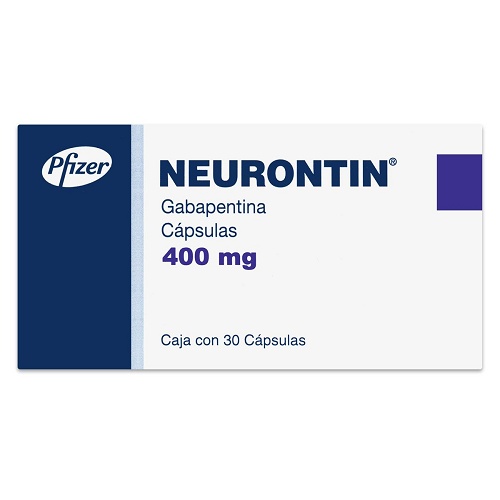
Neurontin (Gabapentin) in the United Kingdom: The Definitive Patient & Clinician Guide (2026)
Can Neurontin be obtained without a prescription in the UK?
No, Neurontin (Gabapentin) is a prescription-only medicine in the United Kingdom. Purchasing or obtaining it without a valid prescription from a registered UK prescriber is illegal and risks your health.
In the UK, Gabapentin is classified as a controlled medicine (Class C, Schedule 3) under the Misuse of Drugs Regulations since April 2019. This means pharmacies, whether local or online, must see a valid prescription before dispensing.
Summary: Key Facts about Neurontin in the UK (2026)
| Parameter | Value |
|---|---|
| Active Ingredient | Gabapentin |
| Main Indication | Neuropathic pain, epilepsy (adjunct) |
| Usual Onset of Action | 1–3 hours after dose |
| Prescription Status | Prescription-only; Class C controlled medicine |
| Maximum Daily Dose | 3600 mg (per NHS guidelines) |
| Common Side Effects | Drowsiness, dizziness, weight gain |
| Legal Restrictions | Prescription required; strict pharmacy controls |
| Approximate NHS Cost (2026) | £0.10–£0.40 per 300 mg capsule (varies by formulation/generic) |
How does Neurontin work for neuropathic pain?
Neurontin’s active ingredient, Gabapentin, is structurally similar to the neurotransmitter gamma-aminobutyric acid (GABA), but it does not bind directly to GABA receptors. Instead, Gabapentin binds to the alpha-2-delta subunit of voltage-gated calcium channels in nerve cells. This action reduces the release of excitatory neurotransmitters, such as glutamate and substance P, which are involved in pain signalling and seizure propagation.
By inhibiting these calcium channels, Gabapentin reduces abnormal electrical activity in the brain and spinal cord. For patients with neuropathic pain, this means a reduction in the “faulty wiring” symptoms—like burning, shooting, or stabbing pain—caused by nerve damage or hyperactivity.
Simple metaphor: If pain signals are like a faulty alarm system always ringing, Neurontin acts like a technician who dampens the wires, so the alarm stops misfiring.
Clinical studies, including a 2024 randomised controlled trial (PubMed), confirm that Gabapentin significantly decreases pain intensity and improves sleep in patients with diabetic neuropathy and postherpetic neuralgia.
- Does Neurontin require triggers to work? No; it works independently, but its effect builds over days to weeks. It does not provide instant pain relief.
- Is it addictive? Gabapentin is not classically addictive, but physical dependence and withdrawal can occur with abrupt cessation.
Expert Commentary from doctor
In my clinical experience, many patients are surprised that Neurontin doesn’t provide “quick pain relief” like some over-the-counter options. It’s important to set realistic expectations: Gabapentin works best when taken consistently, and benefits may only become apparent after a week or longer. I frequently encounter adherence problems because patients give up too early or adjust doses without medical advice. Another pitfall is missing the cumulative effects—Neurontin often helps with sleep and general comfort, not just pain. Finally, I’ve seen patients forget to mention other sedative medications, increasing the risk of drowsiness or falls. Always keep your doctor informed about all medicines and supplements you use.
How should Neurontin be taken? Dosage instructions for UK patients
- Starting Dose (Adults, Neuropathic Pain): Typically 300 mg once on day 1, then 300 mg twice on day 2, then 300 mg three times daily on day 3. Adjusted according to response and tolerability.
- Maximum Daily Dose: 3600 mg (in divided doses, usually 3 times per day).
- How to take: Swallow capsules/tablets whole with water. Can be taken with or without food.
- Peak Effect: 2–3 hours post-dose. Steady pain relief is usually observed after several days of consistent use.
- Can the tablet be split? Some tablets can be split; check with your pharmacist. Capsules should not be opened; always take as prescribed.
- Special dosing: Older adults or patients with kidney impairment require lower doses. Always follow your doctor’s instructions.
Never exceed the prescribed dose. Taking more increases side effect risks, including serious drowsiness, confusion, and breathing difficulties.
Neurontin and lifestyle: Food, alcohol, and daily activities
- Food
- Neurontin absorption is not significantly affected by food. It can be taken with or without meals. High-fat meals may slightly delay absorption but do not reduce the effect.
- Alcohol
- Not recommended. Alcohol increases drowsiness, dizziness, and risk of falls. Combining both can dangerously suppress breathing, especially in elderly or those with lung problems.
- Grapefruit juice
- No known interaction with Neurontin. However, always check for other medications you may be taking.
- Driving and machinery
- Neurontin can impair attention and coordination. Do not drive until you know how it affects you. The DVLA requires you to inform them if you have persistent impairment.
Who should NOT take Neurontin? Contraindications & Cautions
| Absolute Contraindications | Relative Contraindications |
|---|---|
|
|
Neurontin must not be taken with: Certain strong opioids (risk of severe sedation/breathing problems), other medicines causing drowsiness (unless closely monitored), and must be used with extreme caution in those with previous overdose or suicide risk.
What side effects are most common with Neurontin?
| Frequency | Side Effects | Notes |
|---|---|---|
| Very common (>1 in 10) |
Drowsiness, dizziness, ataxia (clumsiness), fatigue | Often diminish after initial weeks |
| Common (1 in 100–10) |
Peripheral oedema (swelling), weight gain, blurred vision, tremor | Monitor weight and swelling, especially if heart/kidney issues |
| Uncommon/Rare (<1 in 1000) |
Rash, mood changes (including depression or suicidal thoughts), respiratory depression | Seek immediate medical help if these develop |
| Very Rare | Severe skin reactions (Stevens-Johnson Syndrome), anaphylaxis | Medical emergency |
What to do if side effects occur? For mild symptoms, inform your doctor at your next appointment. For severe reactions (e.g., rash with fever, trouble breathing, suicidal thoughts), stop taking Neurontin and contact emergency services (NHS 999).
Common Patient Mistakes Observed by doctor
- Stopping suddenly: Abrupt cessation can trigger withdrawal symptoms (anxiety, insomnia, seizures). Always taper under medical supervision.
- Doubling up after a missed dose: Taking extra can cause sedation or confusion. If you miss a dose, take it as soon as you remember, but not if it’s almost time for the next.
- Mixing with other sedatives or alcohol: Increases risk of falls and breathing suppression. Always inform your doctor of all medicines.
- Ignoring weight gain or swelling: These may indicate fluid retention, especially risky for those with heart or kidney problems.
- Assuming immediate pain relief: Many quit early if pain persists in the first days. Best results appear after consistent use.
- Sharing medication: Giving Neurontin to others is illegal and dangerous, as individual responses and risks vary greatly.
Tip: Keep a symptom diary and share it with your doctor to monitor progress and side effects.
How does Neurontin compare to alternatives?
| Medication | Usual Dose Range (Daily) | Onset (days-weeks) | Common Side Effects | Approximate Price per Dose (2026, UK) | Comments |
|---|---|---|---|---|---|
| Neurontin (Gabapentin) | 900-3600 mg (divided) | 3–7 days | Drowsiness, dizziness, weight gain | £0.10–£0.40 (300 mg) | Generic widely available |
| Pregabalin (Lyrica, generics) | 150–600 mg (divided) | 2–4 days | Dizziness, weight gain, blurred vision | £0.30–£1.50 (75 mg) | Stricter controls, often more expensive |
| Amitriptyline | 10–75 mg (nightly) | 5–14 days | Dry mouth, sedation, weight gain | £0.02–£0.10 (10 mg) | Not licensed for neuropathic pain but widely used |
- Neurontin: Good tolerability; less expensive than pregabalin; slower titration than amitriptyline.
- Pregabalin: Faster effect, but more costly; similar mechanism but different potency.
- Amitriptyline: Cheap, but more anticholinergic (dry mouth, constipation).
Bottom line: Choice depends on individual response, side effect profile, and cost. Discuss options with your doctor, especially regarding insurance or NHS coverage.
Questions Frequently Asked to doctor
- Will Neurontin help with all types of pain?
- No—Neurontin is effective for nerve-related pain (neuropathic), such as diabetic neuropathy or postherpetic neuralgia, but is not usually helpful for muscle, joint, or general pain.
- Is it safe to use Neurontin with other common medications?
- Generally, yes, but caution is needed with sedatives (benzodiazepines, opioids) and some antacids (which can reduce absorption). Always inform your clinician about all medicines you take.
- Can I use Neurontin long-term?
- Many patients use it for months or years, but regular reviews are needed to assess benefits and monitor for side effects. Dose adjustments may be necessary over time.
- What should I do if I forget a dose?
- Take it as soon as you remember, but skip if it’s almost time for your next dose. Do not double up.
- Can I drink alcohol while taking Neurontin?
- Not recommended. Alcohol increases drowsiness and risk of adverse effects. Best to avoid or strictly limit intake.
- Is Neurontin safe for elderly patients?
- Dose reductions are usually needed, and risks (confusion, falls) are higher. Careful monitoring and regular reviews are essential.
- Will it affect my ability to drive?
- It may cause drowsiness. Do not drive until you know how you react, and inform the DVLA if persistent impairment occurs.
Neurontin: Key Characteristics Table
| Parameter | Details |
|---|---|
| Active substance | Gabapentin |
| Pharmacological group | Anticonvulsant / Neuropathic pain modulator |
| Bioavailability | ~60% at 900 mg daily, decreases with higher doses |
| Metabolism | Minimal; excreted unchanged in urine |
| Half-life (T1/2) | 5–7 hours (longer in kidney impairment) |
| Peak concentration | 2–3 hours after oral dose |
| Usual dose frequency | 3 times daily |
| Formulations available | Capsules (100, 300, 400 mg), tablets (600, 800 mg), oral solution |
| Controlled status (UK) | Class C, Schedule 3 |
| Generic availability | Yes, multiple brands and generics |
How to obtain Neurontin legally in the United Kingdom: Step-by-step process
- Step 1: Consult a doctor. Book an appointment with your GP or a pain specialist (in person, or via the NHS or private telemedicine platforms).
- Step 2: Assessment. The doctor assesses your pain, current medicines, and suitability for Neurontin.
- Step 3: Receive a prescription. If appropriate, your doctor issues a controlled drug prescription (valid up to 28 days).
- Step 4: Choose a pharmacy. Submit your prescription to a local or a legally registered UK online pharmacy (look for the green cross or GPhC registration).
- Step 5: Collect or receive medication. Provide identification as required for controlled medicines. Delivery is only allowed through licensed UK pharmacies with prescription verification.
- Step 6: Follow up care. Regularly review your progress and side effects with your prescribing doctor.
Note: Never buy Neurontin from any website that does not require a prescription or seems suspiciously cheap. This is illegal and risky in the UK.
Is it legal to buy Neurontin online in the UK? Patient safety and the law
Buying Neurontin online is legal only from licensed UK pharmacies that require a prescription. The Medicines and Healthcare products Regulatory Agency (MHRA) mandates that all legitimate pharmacy websites display the EU common logo (green cross) and are listed on the MHRA’s online register.
- Risks of unregulated websites: Counterfeit medicines, incorrect doses, no pharmacist checks, customs seizure, prosecution.
- Patient protection: The prescription requirement ensures safe use and regular review.
- Red flag signs: Prices much lower than average, no need for prescription upload, lack of UK contact details, no registration numbers.
Bottom line: Always use a registered UK pharmacy. When in doubt, verify registration with the General Pharmaceutical Council (GPhC).
How to avoid counterfeit Neurontin: Identification & generics explained
- Original Neurontin packaging: Always comes in sealed blisters in a branded box with batch number, expiry date, and manufacturer details. English language leaflets are included.
- Security features: Check for MHRA-approved labelling, possible QR code or hologram (some generics include these), and GPhC registration at the dispensing pharmacy.
- Unusually low prices: Are a warning sign for counterfeits or unlicensed imports.
- Difference between original and generics: Generics are required by the MHRA to contain the same active ingredient, dose, and efficacy, but excipients (fillers, colouring agents) may vary. Some individuals may react to these, but this is rare.
- How to tell if you have a generic: It will be labelled Gabapentin (rather than Neurontin), and manufacturer details will differ.
Advice: If you have allergies to specific dyes or fillers, inform your pharmacist. Generics are typically just as effective and more affordable.
Compatibility Check: Neurontin and other medicines
| Other Product | Can it be combined? | Consequences |
|---|---|---|
| Paracetamol | Yes | No significant interaction |
| Alcohol | No | Increased sedation, risk of falls |
| Opioids (e.g., codeine, morphine) | With caution | Enhanced risk of drowsiness, possible respiratory depression |
| Antacids (aluminium/magnesium) | Not within 2 hours | Reduces absorption of Gabapentin |
| Pregabalin | Usually not | No added benefit, increased side effect risk |
| SSRIs (e.g., sertraline) | Yes | No significant interaction |
| Warfarin | Yes | No significant interaction |
What should you do in case of Neurontin overdose?
- Stop taking Neurontin immediately.
- Call 999 for emergency assistance in the UK.
- Provide details: Tell the paramedics or emergency team exactly how much was taken, when, and whether alcohol or other medicines were also used.
- Do not attempt to induce vomiting unless instructed by a medical professional.
- Bring the packaging with you to hospital if possible.
Signs of overdose include severe drowsiness, double vision, slurred speech, unresponsiveness, and in severe cases, slowed breathing.
Important advice for children, elderly, and special patient groups
Children: Neurontin is licensed for partial seizures in children aged 6 years and older, but not for neuropathic pain. Special dosing and monitoring required.
Pregnant/Breastfeeding: Use only if benefit outweighs risk; Gabapentin crosses the placenta and appears in breast milk. Discuss with a specialist.
Kidney impairment: Dose must be reduced; Gabapentin is eliminated by the kidneys.
Driving/Operating machinery: Do not drive or use heavy machines until you are sure how Neurontin affects you. DVLA notification is required for persistent impairment.
Fertility: No significant evidence of fertility impairment in humans to date, but always discuss concerns with your clinician.
Psychological support and living with neuropathic pain
Neuropathic pain is common and can be emotionally draining. Remember, you are not alone—many people in the UK live with similar symptoms. Speaking to your GP, a pain specialist, or a counsellor can help manage both physical and emotional aspects of chronic pain. If you have a partner, discussing the impact of pain together can improve mutual understanding and support.
Myth vs Reality: Rapid relief and other misconceptions
- Myth: Neurontin works instantly after the first tablet.
- Reality: It usually takes several days to weeks of regular use to notice meaningful improvement.
- Myth: All nerve pain responds equally to Neurontin.
- Reality: It is mainly effective for neuropathic (nerve injury) pain, less so for other pain types.
- Myth: Increased dose always means more pain relief.
- Reality: Higher doses may cause more side effects without added benefit. Always titrate as advised.
Professional Opinion of doctor
As a clinician regularly prescribing Gabapentin, I find it most helpful for patients with classic neuropathic symptoms—burning, shooting, or electrical pain, especially after shingles or in diabetes. Those who benefit tend to use it consistently and in combination with non-drug therapies like physiotherapy or counselling. However, it’s not a cure-all—some patients report only partial relief or bothersome side effects, particularly drowsiness or weight gain. In elderly or those with breathing or kidney problems, I am especially cautious. For some, alternatives such as pregabalin or amitriptyline may be more appropriate, depending on individual response and comorbidities. Ultimately, the goal is not just pain reduction but improvement in quality of life. I always stress the need for regular review and open communication about both benefits and side effects.
Frequently Asked Questions (FAQ) about Neurontin in the UK
- Is Neurontin covered by the NHS?
- Yes, Neurontin and its generics are available on the NHS for appropriate indications such as neuropathic pain and epilepsy.
- Can I get Neurontin delivered to my home in the UK?
- Yes, but only from a licensed UK online pharmacy with a valid prescription. Never buy from websites that do not request a prescription.
- Is Neurontin addictive?
- Physical dependence can develop if used long-term, but it is not classically addictive. Withdrawal symptoms may occur with abrupt cessation.
- What is the difference between Neurontin and Gabapentin?
- Neurontin is the original brand name; Gabapentin is the generic form. Both contain the same active ingredient and work identically.
- How quickly does Neurontin work for pain?
- Pain relief typically starts within 3–7 days, but maximal benefit may take 2–4 weeks.
- Can I take Neurontin with paracetamol or ibuprofen?
- Yes, these can usually be taken together without interaction, but always confirm with your pharmacist for your specific situation.
- How do I know if my Neurontin is genuine?
- Check for UK pharmacy labels, sealed blisters, batch number, and official packaging. Avoid buying from unregistered online sources.
- What should I do if Neurontin doesn’t help?
- Consult your doctor for a review. Dose adjustments or alternative therapies may be considered.
- Can I take Neurontin every day?
- Yes, it is intended for daily use unless your doctor advises otherwise. Taking it as prescribed is key to effectiveness.
References
- National Institute for Health and Care Excellence (NICE). Neuropathic pain in adults: pharmacological management in non-specialist settings. [Accessed 2026]. https://www.nice.org.uk/guidance/cg173
- NHS. Gabapentin for nerve pain. [Accessed 2026]. https://www.nhs.uk/medicines/gabapentin/
- Medicines and Healthcare products Regulatory Agency (MHRA). Buying medicines online. [Accessed 2026]. https://www.gov.uk/guidance/buying-medicines-online
- PubMed. Gabapentin for the treatment of chronic neuropathic pain: A 2024 systematic review. [Accessed 2026]. https://pubmed.ncbi.nlm.nih.gov/
- General Pharmaceutical Council (GPhC). Checking an online pharmacy. [Accessed 2026]. https://www.pharmacyregulation.org/
- EMA. Neurontin (gabapentin): summary of product characteristics. [Accessed 2026]. https://www.ema.europa.eu/
Looking for a specialist in neuropathic pain in the UK?
To find a qualified pain management consultant, search the NHS Specialist Pain Management directory or consult the British Pain Society for a list of accredited specialists across the United Kingdom, including London, Manchester, Birmingham, Glasgow, and other major cities.