
- Home/
- Buy Furosemide Online in the United Kingdom Safely and Easily
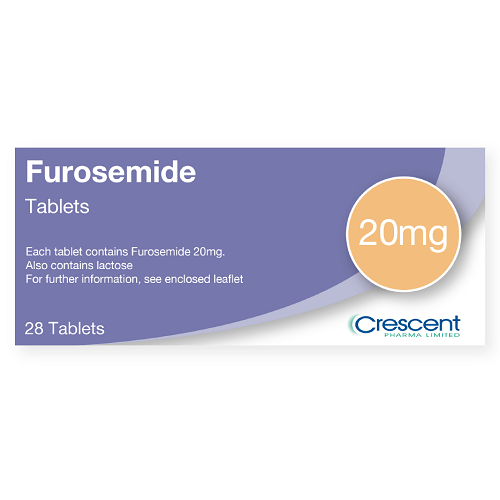
Furosemide is a prescription-only medicine in the United Kingdom, used to treat fluid build-up (oedema) caused by conditions such as heart failure, kidney disease, and certain liver problems. This medication works by helping your body remove excess salt and water through the urine. Before starting Furosemide, it’s crucial to understand that it can lead to significant changes in your electrolyte and fluid balance—meaning regular monitoring and follow-up are not optional, but essential for safe and effective treatment.
Furosemide: Why Doctors in the UK Reach for It
It’s a Monday morning in a busy NHS heart failure clinic. The nurse weighs Mrs Jones: she’s gained four kilos in a fortnight. Her ankles are swollen, and breathlessness has crept back overnight. The consultant glances at her chart, then at the familiar prescription pad. For cases like this, when legs and lungs fill with water the way a leaky boat fills with rain, Furosemide is almost always the first medicine chosen in the UK.
Edema—known in British English as “oedema”—isn’t just about puffy ankles. It’s the lingering heaviness after a short walk, the sudden need to sleep upright, the fear that, one day, the body won’t be able to keep up. In the UK, Furosemide is the loop diuretic most clinicians know inside out. Why? Because it works quickly, can be adjusted easily, and—crucially—its effects can be monitored with blood tests and a set of bathroom scales.
But is it always the right tool? Not every case of swelling, not every diagnosis of heart, liver, or kidney trouble, needs Furosemide. Doctors in the UK rely on it when other treatments haven’t done enough, or when rapid relief is needed. If you’ve been prescribed Furosemide, it’s usually because your clinician believes your body needs help shifting excess fluid faster, and this medication is both the most effective and the most controllable option for the job.
“What patients often miss is that Furosemide isn’t a cure. It’s a management tool. It gives us the breathing space to address the underlying cause of oedema, but it needs respect—especially when it comes to side effects and monitoring.”
In short: Furosemide is a mainstay for stubborn fluid, but only when used thoughtfully—never as a shortcut or a universal fix. In the NHS, it’s a familiar friend, but one that demands vigilance and teamwork between patient and prescriber.
Clinical Tip: Most patients in the UK get their first Furosemide prescription from a GP or hospital doctor after other measures—like salt reduction or alternative diuretics—haven’t brought swelling under control. It is rarely the starting point except in urgent cases.
How Furosemide Actually Works When Fluid Won’t Budge
Furosemide acts on the loop of Henle—a tiny but essential structure in your kidneys—where it blocks the reabsorption of sodium and chloride. That sounds technical, but its meaning is simple: Furosemide stops your kidneys from hanging on to salt, forcing both salt and water out through the urine instead. When fluid collects in your feet or lungs and won’t shift with milder treatments, this is the mechanism that gets things moving again.
Patients often expect an immediate rush to the loo. In practice, the effect usually starts within an hour of taking a tablet, peaking between one and two hours, and lasting up to six hours. This is one reason doctors frequently recommend taking Furosemide in the morning—to avoid nighttime disruptions. In the UK’s climate, with its endlessly grey skies, dehydration is less of a risk than in hotter countries, but regular blood tests to check salt balance are still essential.
- Edema relief typically shows within days if the underlying cause is responsive.
- Breathing improves as fluid leaves the lungs in heart failure—sometimes within hours.
- Weight loss of one to two kilograms over several days is common and expected if oedema was pronounced.
- Potassium and sodium levels can drop dangerously if unchecked, especially in older adults or those on other medicines.
What patients most often misunderstand is that the effects of Furosemide are not just about passing more urine. The real clinical value is how it shifts the body back toward a safer, less overloaded state. But move too fast, and blood pressure can nosedive or kidneys can take a hit. In practice, doctors in the UK watch for these changes, especially in the first two weeks.
- Loop diuretic
- A class of medicines that act on a specific part of the kidney to increase urine output very effectively, often used for severe or resistant oedema.
Furosemide vs. Its Rivals: What Really Makes It Different?
Imagine you’re sitting with your GP, reviewing options for stubborn swelling. You’ve heard of water tablets, but what’s the difference between them? Furosemide is not the only medicine for edema—but in the UK, it stands apart in several ways that actually matter to patients and doctors.
| Attribute | Furosemide | Bumetanide | Bendroflumethiazide |
|---|---|---|---|
| Primary Use | Severe oedema from heart failure, kidney, or liver disease | Similar to Furosemide, often used if Furosemide fails | Mild-to-moderate oedema; hypertension |
| Mechanism | Loop diuretic: blocks sodium reabsorption in kidney loop | Loop diuretic: similar action, more potent per mg | Thiazide diuretic: acts earlier in the kidney tubule |
| Onset/Duration | 1 hour / up to 6 hours | 30–60 min / up to 6 hours | 1–2 hours / up to 24 hours |
| Effectiveness in Severe Edema | High, especially rapid relief | High; effective when Furosemide insufficient | Low for severe cases |
| Common Side Effects | Low potassium, dehydration, dizziness | Low potassium, dehydration, muscle cramps | Low sodium, increased urination, gout |
| Monitoring Needs | Frequent blood tests, blood pressure | Frequent blood tests, blood pressure | Less frequent; mainly for sodium and uric acid |
| Prescription Status (UK) | Prescription-only | Prescription-only | Prescription-only |
| Cost/Reimbursement | Covered by NHS for indications | Covered by NHS for indications | Covered by NHS for indications |
The real-world differences: Furosemide is fast and flexible—easy to start, easy to stop, and easy to escalate if swelling returns. Bumetanide is sometimes chosen when gut absorption is a concern, or when higher doses of Furosemide seem ineffective. Thiazides like bendroflumethiazide are less potent and better suited to mild swelling or high blood pressure. If your oedema is severe, or hasn’t responded to weaker diuretics, Furosemide is usually the practical choice in Britain.
Practical warning: Loop diuretics like Furosemide and Bumetanide can both cause sudden drops in blood pressure and potassium. Never switch medicines without a doctor’s supervision, even if they seem similar.
Starting Furosemide: What to Expect in the First Weeks
The first prescription is rarely the end of the story. In most NHS clinics, starting Furosemide triggers a new rhythm in daily life—one that revolves around the bathroom, the kitchen, and the GP’s phone number. For many, the first tablet is followed by a flurry of questions: How quickly will I feel better? Will I be running to the loo all day? Is this a forever medicine?
- Getting started: Most patients are asked to take Furosemide once daily in the morning. This timing helps avoid night-time urination. If a higher dose is needed, your doctor may split it into two doses, morning and early afternoon.
- First effects: Extra urination typically begins within one hour. Weight starts to drop as the fluid shifts. Some people feel lighter and less short of breath within a day or two; others notice only gradual improvement over a week.
- Ongoing monitoring: The NHS standard is to check your blood for sodium, potassium, and kidney function 1–2 weeks after starting, then periodically as long as you stay on the medicine. Your GP or specialist will tell you how often you need to come in. Never skip these checks—they’re not a bureaucratic formality, but a genuine safety net.
- Adjustments: If swelling doesn’t budge, doses can be increased or other medicines added. If side effects emerge—especially dizziness, weakness, or confusion—dose reductions or pauses may be necessary.
Patients in the UK often expect Furosemide to be a permanent solution. In reality, it’s a tool for periods when symptoms are bad. Some can stop once swelling resolves, but many—especially in heart, kidney, or liver failure—will need ongoing treatment, with doses adjusted up and down depending on fluid status and test results.
Stat: In NHS practice, most patients report losing 1–3 kg of water weight in the first week of treatment—provided they have significant oedema to start. If this is not happening, contact your prescriber.
Dose Matters: How Furosemide Dosing Is Tailored in the UK
One of the misconceptions British patients often have is that there’s a “standard” dose of Furosemide that works for everyone. In truth, dosing is an art as much as a science—shaped by your kidney function, the underlying cause of oedema, and how your body responds in the first days and weeks.
| Condition | Starting Dose | Usual Range | Renal Function Adjustment | Frequency |
|---|---|---|---|---|
| Heart Failure | 20–40 mg once daily | 20–80 mg daily, sometimes higher short-term | High doses (up to 250 mg daily) may be needed if renal function is reduced | Once or twice daily |
| Chronic Kidney Disease | 40 mg once daily | 40–120 mg daily | Significant increase may be necessary—dose titrated based on response and monitoring | Once or twice daily |
| Liver Cirrhosis | 20–40 mg once daily | 40–120 mg daily (combined with other diuretics, e.g., spironolactone) | Careful titration needed—risk of electrolyte imbalance higher | Once daily |
| Elderly | Start at lower end (20 mg) | Monitor closely; slower titration | Increased sensitivity—lower starting doses and monitor for low blood pressure | Once daily |
In NHS practice, the dose is rarely fixed for long. Blood results, symptom relief, and even the weather (hot spells increase risk of dehydration) may prompt quick adjustments. Your GP or specialist will usually start low, check your response, and move up only if symptoms persist. If you have kidney disease, doses can reach levels that sound dramatic—but are standard in nephrology clinics.
Tip: Never adjust your own dose of Furosemide, even if you notice less urine or more swelling. Self-adjustment is a common reason for hospital admissions with dehydration or electrolyte problems.
Which Side Effects Matter Most with Furosemide — and When to Act
For most patients, the side effects of Furosemide are predictable. Increased trips to the toilet, feeling thirsty, and mild leg cramps are common in the first days. What’s less obvious are the dangers that sneak up over weeks: low potassium, low sodium, dehydration, and—more rarely—hearing changes at very high intravenous doses. The trick is knowing what’s expected and when it’s time to call a clinician.
Routine symptoms that usually settle:
- Frequent urination for several hours after each dose
- Mild thirst or dry mouth
- Leg cramps, especially at night
Red flags that require urgent contact:
- Extreme dizziness or fainting
- Confusion or severe weakness
- Palpitations or irregular heartbeat
- Very dry mouth, sunken eyes, or severe thirst
- Sudden hearing loss (rare, usually with high IV doses in hospital)
Here’s what most standard drug sheets miss: many side effects only emerge when other factors change—such as a hot spell, a tummy bug, or a new medication added to your routine. These are the moments when a regular blood test (something the NHS tracks closely) can spot trouble before you feel it.
| Side Effect | How Common? | When to Contact Doctor |
|---|---|---|
| Low potassium (hypokalaemia) | Common (esp. with high doses or older adults) | Muscle weakness, cramps, palpitations, or confusion |
| Low sodium (hyponatraemia) | Occasional; more likely in elderly or with other diuretics | Confusion, severe fatigue, headache, or seizures |
| Dehydration | Common if fluid loss exceeds intake | Very dry mouth, dizziness, fainting, rapid weight loss |
| Hearing changes or tinnitus | Rare (high IV doses only) | Any persistent change in hearing — seek medical attention |
| Allergic reaction (rash, swelling) | Very rare | Any new rash or swelling — seek immediate attention |
When in doubt, err on the side of safety and contact your GP or 111. NHS practice is to review all new or severe symptoms within 24–48 hours, often sooner if you’re on a high dose or have other health conditions.
When NOT to Take Furosemide: Red Flags and Grey Areas
Absolute contraindications:
- Severe allergy (anaphylaxis) to Furosemide or any of its components. This is rare but non-negotiable: a true allergy means permanent avoidance.
- Complete kidney shutdown (anuria) not treatable by diuretics. In these cases, Furosemide cannot work and may cause harm.
- Severe electrolyte depletion (dangerously low sodium or potassium) that hasn’t been corrected. Furosemide can push these levels lower fast.
- Pre-existing liver coma or hepatic encephalopathy—risk of worsening neurological symptoms.
Relative contraindications (consult needed):
- Pregnancy and breastfeeding: Furosemide is generally avoided unless the benefits clearly outweigh the risks, and only in close consultation with a specialist.
- Gout: Furosemide can increase uric acid and trigger attacks.
- Diabetes: Blood sugar may rise with higher doses.
- Prostate enlargement or urinary retention: May worsen difficulty urinating, especially in older men.
- Severe low blood pressure (hypotension): Furosemide can make this worse, raising risk of falls or fainting.
In the UK, prescribers are required to check for these contraindications before initiating therapy. When in doubt, always review your medication list and recent blood results with your GP or specialist. Many patients are surprised to discover that their “mild” kidney or liver issue may call for caution—even if they feel well on the day.
Getting Furosemide in the UK: Pathways, Practicalities, and Pitfalls
Unlike some medicines, Furosemide is never available over the counter in the UK. Every tablet, whether prescribed in hospital or by your GP, is prescription-only. That’s not just a regulatory technicality—it reflects the need for regular monitoring and the risk of potentially dangerous side effects without medical oversight.
The NHS covers the cost of Furosemide for all standard indications: heart failure, chronic kidney disease, and liver cirrhosis. If you’re exempt from prescription charges (as many patients with long-term conditions are), there’s no cost at the point of dispensing. Otherwise, the standard NHS prescription fee applies per item. Most pharmacies carry several brands and generics, all equally regulated by the Medicines and Healthcare products Regulatory Agency (MHRA).
- Getting started: Your first prescription usually comes from a GP or hospital consultant. For ongoing repeats, your GP manages adjustments in collaboration with specialists.
- Refills: Most UK patients receive a one-month supply at a time. For longer-term use, “repeat prescription” services—either online or through your local surgery—simplify reordering.
- Monitoring: The NHS standard is for regular blood tests every few months, or sooner if your dose changes or new symptoms arise. A pharmacist may flag missing blood tests when dispensing.
- Switching brands: All brands and generic versions supplied in the UK must meet MHRA standards for safety and effectiveness. They may look different but work the same.
Pitfall: Ordering Furosemide from unregulated online sources is illegal and unsafe in the UK. Only accept medicines dispensed through registered NHS or UK-licensed private pharmacies.
If you move between NHS trusts, or between England, Scotland, Wales, and Northern Ireland, your prescription will still be honoured—but local blood test protocols and refill systems may differ. Always clarify with your new surgery or pharmacy if moving regions.
FAQ: Furosemide Questions Patients Ask Most in the UK
- Can I drink alcohol while taking Furosemide?
- Moderate alcohol is not strictly forbidden, but it can worsen dehydration and low blood pressure, especially early in treatment or during hot weather. Many NHS clinics advise limiting alcohol until you know how you react to Furosemide.
- How quickly will Furosemide start working?
- Most people notice increased urination within an hour, with peak effect one to two hours after taking it. Visible reduction in swelling and improvement in symptoms can take a few days, depending on the cause and severity of edema.
- Do I need to avoid any foods or drinks?
- High-salt foods can counteract the effect of Furosemide, so reducing salt intake is recommended. Very large amounts of liquorice can interact with potassium levels, but this is uncommon. Stay well hydrated, especially during hot weather.
- What if I miss a dose?
- If you realise within a few hours, take it as soon as you remember—unless it’s close to your next scheduled dose, in which case skip it. Do not double up doses. If you miss doses repeatedly, let your GP or pharmacist know so they can adjust your plan safely.
- Will I have to take Furosemide forever?
- Not always. Some people use Furosemide only during flares of swelling, others need it long-term for heart, kidney, or liver disease. Your doctor will review regularly whether it can be reduced or stopped.
- What should I do if I feel dizzy or faint after taking Furosemide?
- Sit or lie down immediately. If symptoms persist or you faint, contact your GP or 111. Sudden drops in blood pressure are a known risk, especially early in treatment or with dose increases.
- Can I get Furosemide privately if I’m not eligible on the NHS?
- Furosemide can be prescribed privately by UK-licensed doctors, but the same safety and monitoring standards apply. Avoid unregulated online sellers—these are illegal and potentially dangerous in the UK.
- Does Furosemide interact with my other medicines?
- Yes, Furosemide can interact with blood pressure medicines, anti-inflammatories like ibuprofen, some antibiotics (especially aminoglycosides), and other diuretics. Always share your full medicine list with your prescriber and pharmacist.
Sources and References
- NHS: Furosemide
- British National Formulary (BNF), BMJ Group and Pharmaceutical Press, 2024
- Medicines and Healthcare products Regulatory Agency (MHRA)
- NICE Clinical Guideline: Chronic heart failure in adults: diagnosis and management
- European Medicines Agency (EMA)
- Summary of Product Characteristics: Furosemide, Accord Healthcare Ltd., UK
- World Health Organization
- Mayo Clinic: Furosemide (Oral Route)